

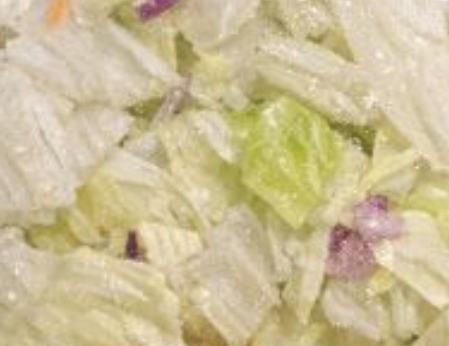
You’ve just opened your refrigerator, and there it is: a bag of salad in the crisper drawer, puffed up tight like a balloon, almost daring you to open it. The ‘best by’ date is still a few days away, so should you be concerned? This scenario is all too familiar for many of us trying to maintain a healthy diet with fresh greens. But what causes this puffing, and is it safe to eat?
In this article, we’ll dive into the causes behind the inflation of your salad bag, explore the science of bacterial respiration, and discuss food safety standards. We’ll also provide practical tips on how to keep your bagged greens fresh and safe to consume, ensuring you can enjoy your salads without worry.
1. Why Your Salad Bag Is Puffing Up Like a Balloon
The puffing up of your salad bag is primarily due to the buildup of gases inside the package. This phenomenon occurs when bacteria present on the greens or introduced during packaging begin to consume the organic matter. As they respire, they produce gases, primarily carbon dioxide, which causes the bag to expand.
In addition to bacterial activity, the natural respiration of the greens themselves can contribute to gas accumulation. Vegetables continue to ‘breathe’ after harvesting, taking in oxygen and releasing carbon dioxide, which can result in a slight puffiness. However, when the bag is significantly inflated, it is usually a sign of bacterial activity rather than just vegetable respiration.
2. The Science: Bacterial Respiration and Gas Buildup
Bacteria, such as Lactobacillus and Escherichia coli, can be present on leafy greens due to their natural environment or contamination during processing and packaging. These microorganisms break down sugars and other organic materials in the salad, releasing carbon dioxide and sometimes other gases like methane and hydrogen sulfide, depending on the bacteria and the conditions.
Under certain circumstances, a bacteria-filled environment in a sealed bag can create a small ‘gas chamber,’ where the pressure increases as the bacteria continue their metabolic processes. This leads to the bag becoming puffed up as the gas cannot escape.
3. What a Bloated Bag Says About Food Safety
A bloated salad bag can be a warning sign, but it is not an automatic indicator that the food inside is unsafe. The presence of gas indicates bacterial activity, which could mean spoilage or the growth of harmful pathogens. However, some bacteria that cause gas production are not necessarily harmful to humans.
Nonetheless, caution is advised. A bloated bag should prompt a more thorough examination of the salad inside—by sight and smell—to determine if it is still safe to consume. If the salad looks or smells off, it’s best to err on the side of caution and discard it.
4. How Much You Can Trust the “Best By” Date
The ‘best by’ date is a guideline provided by manufacturers to indicate when the product is expected to be at its peak quality. It is not a safety date. While the salad may still be safe to eat after this date, its quality, texture, and flavor may have degraded.
Environmental factors such as temperature fluctuations in your refrigerator can cause spoilage before the ‘best by’ date. Therefore, while the date serves as a useful reference, other factors must be considered when determining the safety and quality of your salad.
5. Visual and Smell Checks: Signs Your Salad Has Gone Bad
Before consuming a salad from a puffed-up bag, inspect the leaves for any signs of spoilage. Discoloration, such as dark or slimy patches, is a clear indicator that the greens have gone bad. Also, check for an unpleasant, sour, or rotten smell, which signifies bacterial activity beyond safe levels.
If the salad appears fresh, with vibrant green colors and smells fresh, it might still be safe to consume. However, any doubts about its condition should lead to disposal rather than consumption.
6. When a Puffed Bag Is Normal—and When It’s Not
Not all puffed bags are a cause for concern. In some cases, manufacturers use modified atmosphere packaging (MAP) to extend shelf life by adjusting the gas composition inside the bag. This can cause bags to appear slightly inflated.
However, when a bag is excessively tight and shows signs of spoilage, such as a foul smell or slimy texture, it indicates abnormal bacterial growth and should not be consumed. Understanding the difference between normal packaging conditions and spoilage is key to making informed decisions.
7. Common Storage Mistakes That Speed Up Spoilage
Improper storage is a common culprit for accelerated spoilage. Storing salad bags in the warmest part of the fridge or not sealing them properly after opening can increase bacterial growth. Temperature fluctuations, such as frequently opening and closing the fridge door, can also contribute to spoilage.
To maximize freshness, store salad bags in the crisper drawer, which is designed to maintain optimal humidity levels for vegetables. Ensure the bag is tightly sealed after each use to minimize air exposure.
8. Smart Hacks To Keep Bagged Greens Fresher Longer
To extend the life of your bagged greens, consider placing a paper towel inside the bag to absorb excess moisture, which can lead to spoilage. After opening the bag, transfer the greens to an airtight container with a dry paper towel to keep them crisp.
Another tip is to buy salad mixes that are packaged with breathable films designed to allow moisture to escape while keeping unwanted bacteria out. Additionally, purchasing smaller quantities that can be consumed within a few days reduces the likelihood of spoilage.
9. What Food Safety Experts Recommend You Do Next
Food safety experts recommend using your senses first—sight, smell, and touch—to evaluate the condition of your salad. If anything seems off, it’s best not to take risks. When in doubt, throw it out.
Experts also suggest keeping your refrigerator at the correct temperature, ideally below 40°F (4°C), to slow down bacterial growth. Regularly cleaning your crisper drawer can help prevent cross-contamination and extend the life of your produce.
10. When To Toss It, When To Keep It, and How To Stay Safe
If the salad bag is significantly puffed, and the greens show signs of spoilage, it’s safest to discard it. However, if the puffiness is slight, and the greens appear fresh and smell fine, it may still be consumable.
To stay safe, always practice good food hygiene: wash your hands before handling food, keep your kitchen surfaces clean, and avoid cross-contamination by using separate utensils and cutting boards for different food types.
11. How To Shop for Salad Mixes That Last Longer
When buying salad mixes, look for packages that are as fresh as possible, ideally those at the back of the shelf, as they are usually newer. Check the ‘best by’ date, but also inspect the bag for excessive moisture or condensation, which can lead to quicker spoilage.
Opt for salad mixes with a variety of greens, as some varieties, like kale or spinach, tend to last longer than others. Consider buying organic, as they may contain fewer preservatives but offer fresher, more natural produce. Always remember to refrigerate your purchases as soon as possible to maintain freshness